🐾 New Substitute Groomer Available! 🐾 We’re excited to welcome our new substitute groomer. Call today to book your pet’s appointment!

Close
×

Would you like to switch to the accessible version of this site?

Go to accessible site Close modal window

Don't need the accessible version of this site?

Hide the accessibility button Close modal window
Accessibility View Close toolbar
Alessandro Animal Hospital

23932 Alessandro Blvd Suite B

Suite B

Moreno Valley, CA 92553 US

(951) 656-4455

Open mobile navigation
  • Home
  • New Patient Center
    • What to Expect
    • Veterinary Resources
    • Payment Options
  • About Us
    • Services
    • Meet Our Team
  • Special Offers
  • Contact Us
  • Blog
  • Veterinary Topics
    • Pet Health
      • Chronic Conditions
      • Digestive and Oral Health
      • Diseases and Viruses
      • Pests and Parasites
      • Orthopedics
    • Today's Veterinarian
    • Choosing Your Pet
      • Finding Your Pet
      • Cats
      • Dogs
      • Exotics
        • Amphibians
        • Birds
        • Reptiles
          • Lizards
          • Turtles
      • Small Mammals
        • Ferrets
        • Rabbits
        • Domesticated Animals
          • Prairie Dogs
        • Pocket Pets
          • Chinchillas
          • Guinea Pigs
          • Hamsters
          • Hedgehogs
          • Rats
      • Livestock
        • Cows
        • Donkeys, Horses & Mules
        • Goats
        • Pigs
        • Poultry
        • Sheep
    • Living With Your Pet
      • Bringing Your Pet Home
      • Children and Pets
      • Providing Care
      • Travel
      • Saying Goodbye
    • Newsletter Library
      • Cats
      • Tips for Pet Owners
      • Behavior & Training
      • Fleas & Parasites
      • Keeping Pets Healthy
      • Recognizing Illness
      • Nutrition & Food
      • Pet Dangers
      • Seasonal Topics
      • Visiting the Vet
      • Equine
      • Newsletter Archive
        • Fun with Pets
        • Unbelievable Pets
    • Video Newsroom
      • Health Topics
      • Technology and Science
      • Other Interests
    • Newsletter Library
    • Client Survey
    • Pets4Kids
  • COVID-19 Update
  • Home >
  • Articles >
  • Newsletter Library >
  • Recognizing Illness >
  • Can My Pet Get Depressed?

Can My Pet Get Depressed?

  • Created in Newsletter Library, Recognizing Illness
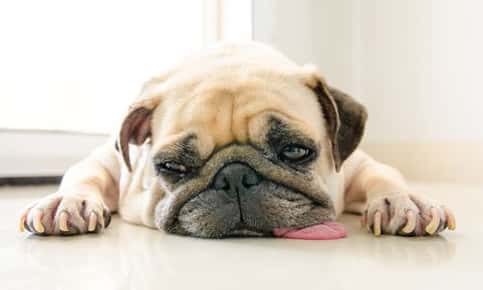
Image of a sad pug.

Unlike humans, most pets seem to be in perpetually good moods. They're ecstatic when you arrive home from work, are always ready to play and enjoy keeping you company whether you're cooking dinner or cleaning the garage. When your pet seems sad and is no longer interested in the little things that used to make him or her happy, it's only natural to wonder if depression is the cause.

Depression and Pets

Pet behavioral experts believe that animals probably do suffer from depression when they face upsetting situations. Symptoms of depression often occur after a life-changing event, such as a move to a new home, a family member moving out or the death of a pet or family member. Often, it takes a little detective work to determine what may have caused your pet's condition.

Common Symptoms of Depression

Your pet may be depressed if you observe one or more of these symptoms:

  • Decrease in Activity Level. You may notice that your pet seems a little lethargic and uninterested in doing much more than sleeping or resting.
  • Loss of Appetite. Depressed pets often aren't interested in eating and may begin to lose weight.
  • Lack of Interest in Playing. Fetch, chase-the-laser-light and other games may fail to interest a pet who's depressed.
  • Reduced Interaction with People. Depressed pets just want to be alone. They may stop greeting you at the door or find a hiding place under a bed or table.
  • Feather Plucking. Birds may pluck their feathers and look disheveled if they're depressed.

Help Your Pet Overcome Depression

It's a good idea to schedule a visit with the veterinarian if your pet's symptoms continue for longer than two weeks. Because many of the symptoms of depression can also occur if your pet is ill, it's important to rule out illnesses and conditions that can affect behavior. For example, diabetes or kidney failure may cause your pet to feel tired and lose interest in his or her usual activities. Older pets that seem depressed may actually be suffering from arthritis. When standing, walking or running is painful, going for long walks or even staying by your side while you cook dinner may no longer be enjoyable.

If your veterinarian doesn't find any health problems, you can help your pet by:

  • Spending More Time with Him or Her. Depressed pets may not seek you out, but they'll still benefit from increased time with you and other family members. If your pet seems depressed after your child leaves for college or you change your work schedule, paying a little more attention to your furry friend may help him or her adjust.
  • Brushing or Grooming Your Pet. Depressed pets may not have the energy to groom themselves. Brushing will help improve your pet's appearance and offer additional opportunities for the two of you to spend more time together.
  • Paying Attention to Socialization Needs. Some pets do better as only pets, while others, like guinea pigs, will become depressed if they don't have companions.
  • Encouraging Your Pet to Play. Pets, particularly younger animals, may exhibit signs of depression if they're bored. New toys that make noise, light up or contain catnip make playtime more enjoyable for pets tired of the same old squeaky toy. Dogs can easily become bored if they're sent to the backyard for hours on end with no human interaction. Playing games with your dog in the yard or taking him or her for walks or trips to the dog park can improve your pet's mood and help you get a little exercise.
  • Keeping the Same Routines. A move to a new home or a new job may require that you make a few changes to your routine. Despite the changes to your schedule, it's important to keep your pet's routine as predictable as possible.
  • Offering Treats. If your pet has lost interest in his or her usual food, offer treats and foods that may not be a regular part of your pet's diet, such as baked chicken, lamb or salmon.
  • Considering Medication. Medication isn't usually recommended unless your pet is severely depressed, but may be helpful in some cases.

Are you concerned about changes in your pet's mood or behavior? Call us to schedule an appointment. We'll perform a thorough examination, treat any underlying health conditions and offer suggestions that will help your pet feel better.

Sources:

PetMD: Can Dogs Get Depressed

http://www.petmd.com/dog/behavior/can-dogs-get-depressed

VetStreet: Warnings Signs Your Pet May Be Depressed, 8/5/15

http://www.vetstreet.com/our-pet-experts/warning-signs-your-pet-may-be-depressed

Healthy Pets: What Never to Do for Your Melancholic Dog, 3/29/17

https://healthypets.mercola.com/sites/healthypets/archive/2017/03/29/dog-depression.aspx

  • Pet Health
    • Chronic Conditions
    • Digestive and Oral Health
    • Diseases and Viruses
    • Pests and Parasites
    • Orthopedics
  • Today's Veterinarian
  • Choosing Your Pet
    • Finding Your Pet
    • Cats
    • Dogs
    • Exotics
      • Amphibians
      • Birds
      • Reptiles
        • Lizards
        • Turtles
    • Small Mammals
      • Ferrets
      • Rabbits
      • Domesticated Animals
        • Prairie Dogs
      • Pocket Pets
        • Chinchillas
        • Guinea Pigs
        • Hamsters
        • Hedgehogs
        • Rats
    • Livestock
      • Cows
      • Donkeys, Horses & Mules
      • Goats
      • Pigs
      • Poultry
      • Sheep
  • Living With Your Pet
    • Bringing Your Pet Home
    • Children and Pets
    • Providing Care
    • Travel
    • Saying Goodbye
  • Newsletter Library
    • Cats
    • Tips for Pet Owners
    • Behavior & Training
    • Fleas & Parasites
    • Keeping Pets Healthy
    • Recognizing Illness
    • Nutrition & Food
    • Pet Dangers
    • Seasonal Topics
    • Visiting the Vet
    • Equine
    • Newsletter Archive
      • Fun with Pets
      • Unbelievable Pets
  • Video Newsroom
    • Health Topics
    • Technology and Science
    • Other Interests
  • Newsletter Library
  • Client Survey
  • Pets4Kids

New patients receive $15 OFF first visit. Please print and present coupon at
time of first visit.

Print Coupon

Featured Links

Click to find out more

  • Services

    We strive to provide complete care for our patients. Learn more about all the services we provide.
    Learn More
  • Make An Appointment

    We will do our best to accommodate your busy schedule. Schedule an appointment today!
    Schedule Now
  • Special Offers

    Check out our special offers!
    View Offers

Office Hours

Our Regular Schedule

Monday:

7:30 am-6:00 pm

Tuesday:

7:30 am-6:00 pm

Wednesday:

7:30 am-6:00 pm

Thursday:

7:30 am-6:00 pm

Friday:

7:30 am-6:00 pm

Saturday:

9:00 am-5:00 pm

Sunday:

9:00 am-5:00 pm

Location

Find us on the map

Testimonials

Read What Our Clients Say

  • "Alessandro Animal Hospital is the best at what they do and make you feel right at home."
    John Doe / Moreno Valley, CA

Featured Articles

Read about interesting topics

  • March Newsletter: How to Keep Your Cat Safe When Outdoors

    Wondering how your cat can safely spend time outdoors? ...

    Read More
  • March Newsletter: How to Choose Safe Blankets for Pets

    Do you know how to pick a safe blanket for your pet? ...

    Read More
  • February Newsletter: How to Reduce Dental Anxiety in Pets

    Does your pet hate toothbrushing? These tips could reduce dental anxiety. ...

    Read More
  • February Newsletter: How to Safely Change Your Cat’s Food

    Buying a new food for your cat? Find out how to switch foods safely. ...

    Read More
  • January Newsletter: Signs Your Pet Needs a Wellness Exam

    Does your pet need a wellness exam? ...

    Read More
  • January Newsletter: How Your Veterinarian Can Help If Your Pet Ingests Something Toxic

    Has your pet eaten something it shouldn't have? Find out how your vet can help. ...

    Read More
  • December Newsletter: Signs Your Pet Needs a Professional Cleaning

    Do you know when your pet needs a professional cleaning? ...

    Read More
  • December Newsletter: Simple Ways to Keep Your Home Flea-Free for Your Pet’s Well-being

    Never want to see another flea again? Try these tips for a flea-free home. ...

    Read More
  • November Newsletter: The Importance of Bloodwork for Your Pet’s Health

    Wondering if your pet really needs bloodwork? Find out the benefits of blood tests for your furry friend. ...

    Read More
  • November Newsletter: Turkey Day Tips for Pet Owners

    Don't forget about your pet when making Turkey Day preparations. ...

    Read More

Newsletter Sign Up

Sign up for more articles

Error!

    Connect With Us

    • Copyright © 2026 MH Sub I, LLC dba iMatrix.
    • Admin Log In
    • Site Map